As someone who’s become a regular attendee of Product at Heart in Hamburg, I find myself returning year after year for the same compelling reasons: deepening my product management knowledge, staying current with industry trends, and connecting with like-minded people who share the same passion for building great products. This year’s conference once again delivered on all fronts, though it also gave me plenty to reflect on about the current state of product management and organizational transformation.
The Three-Day Format: Leadership, Workshops, and Conference
Product at Heart’s unique three-day structure, with each day ticketed separately, continues to be one of its strengths. The Wednesday Leadership Day focuses on executives and senior practitioners, followed by hands-on workshops on Thursday, and culminating in the main conference on Friday. This year, I was fortunate to secure a spot at the Leadership Day (albeit without lunch due to limited capacity), which provided intimate discussions among product leaders.
Day One: Leadership Insights and Honest Conversations
The Leadership Day began with Olga Skipper facilitating a meditation and reflection session that evolved from individual contemplation to small group discussions.
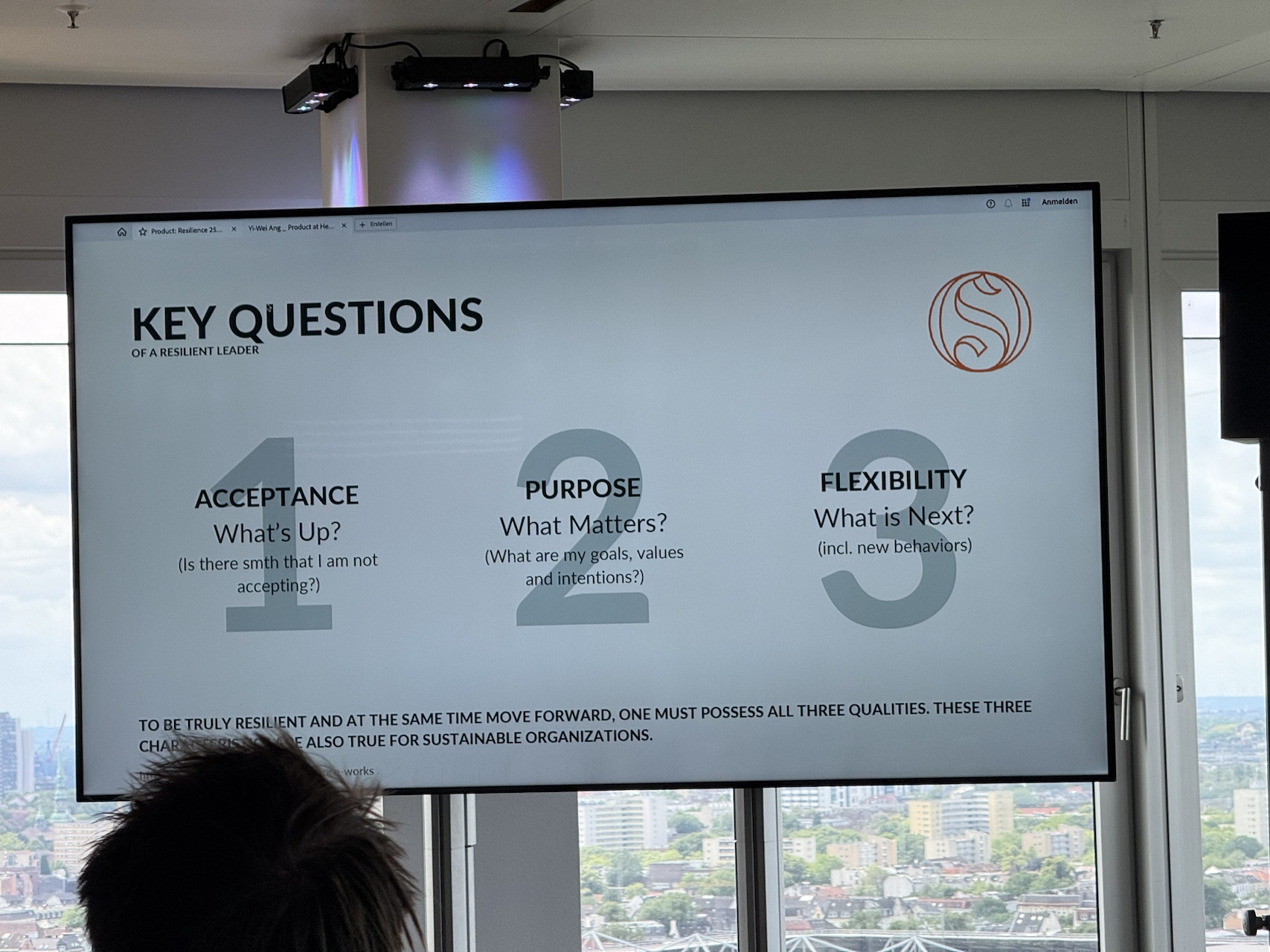
What struck me most was learning how fellow product leaders handle stress and maintain their grounding. While some rely on sleep to recharge (a strategy I share), others turn to music or, most importantly, maintain perspective by contextualizing work challenges within a broader framework. As one participant noted, “Usually, it’s just about money – no one is dying or getting hurt.” This statement helped me to reframe my views, because once you’re in the trenches, some things feel so obvious and you get too passioned about it, so I loose perspective – a great reminder and counter strategy!
The fireside chat between Marty Cagan and Gabrielle Bufrem was particularly energetic. For those familiar with Marty’s books, his perspectives were expected, but I was intrigued by his emphasis on the 3-6 month timeline for transformation results. There’s apparently a management half-life for achieving initial outcomes. Gabriele highlighted their approach of starting with smaller pilot teams, focusing on problems significant enough to matter but with realistic chances of success within that critical 3-6 month window. The key seems to be creating balanced setups that minimize the risk of failure from the start.
The evening continued with Netlight’s sponsored dinner, providing a relaxed atmosphere for deeper conversations that had begun during the day.
Day Two: My Strategic Pause
I actively chose to skip the workshop day this year, opting instead to work from Hamburg’s sponsored co-working space.
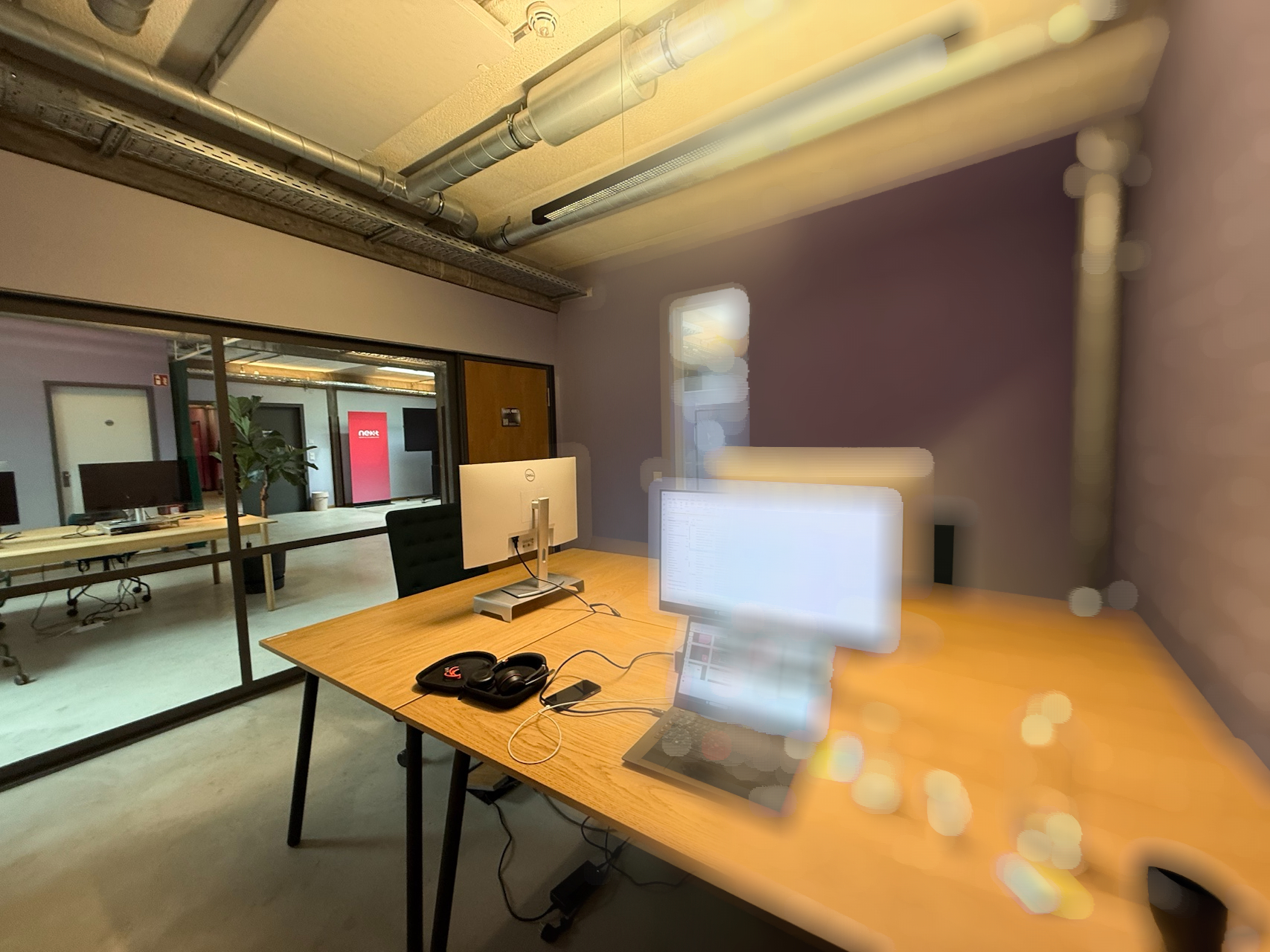
This decision allowed me to attend the product blind dinner side event in the evening, though I missed the fully-booked Product Walk with the Product Field creators.

The good part, as organizer of ProductTank Frankfurt I had the chance to listen and connect to them again as they volunteered as speakers and workshop facilitators a week later – more to come about that fantastic experience.
Day Three: Conference Reflections and Critical Thinking
Friday’s main conference centered around the theme of curation, which resonated deeply with me during my current journey. Arne and Petra’s opening statement set the tone powerfully:
“Curation is one of our most powerful tools of resistance. Every product decision is a choice about what kind of world we want to help build. About what we amplify – and what we refuse to normalize. Curation at its core is a deliberate act of care, in a time when indifference is easy and noise is everywhere.”
For me the ideal wake-up call: identify signals in all of the noise!
This framing transformed how I think about my daily work as a product manager. We’re not just building features or optimizing metrics – we’re curating experiences that shape how people interact with technology and each other. The concept of “intentional selection of ideas, people, and objects” felt particularly relevant to my daily work. As Tim Leberecht emphasized in his keynote, curation might be our most powerful tool in an information-saturated world moving back from dark- to light-mode.
Marty Cagan opened the conference with his familiar trilogy of insights from “Inspired,” “Empowered,” and “Transformation.” While he effectively addressed common leadership challenges and provided solutions, I found myself increasingly skeptical of overly idealized statements about how the best product organizations should function. Perhaps I’m growing weary of transformation rhetoric and no longer naively accept everything that’s preached. The world is more complex, not linear and doesn’t always lend itself to simple solutions. And yes, I know what good looks like and experienced myself in my journey as a product manager.
The case study presentation by Gabriele Bufrem and Anuar Chapur, detailing their two-year transformation journey from pilot to Product Operations Model, reinforced familiar themes. The critical 3-6 month success timeline and the emphasis on continuous organizational learning weren’t particularly new insights – we’ve seen similar concepts in agile transformations and becoming a learning company with constant change was long time stated by Frederick Laloux’s “Reinventing Organizations”.
Finding Value in the Messy Reality
What I appreciated most was Afonso Malo’s honest portrayal of the influence we have over our own attitudes and approaches. His iceberg analogy was particularly apt – too often, we hear only the success stories at LinkedIn or conferences without the messy details about hard decisions that make transformation work truly challenging. I’ve come to appreciate and accept this messiness in product development and life, which might explain why I’m drawn to John Cutler’s less dogmatic and polarizing approach to product management.

Ronnie Varghese’s presentation on implementing Marty Cagan’s transformation to a Product Operating Model was impressively practical and grounded. Altough the slides were highly AI polished, the underlying story while listening was more grounded.
The Heart of the Matter
Despite my growing skepticism about transformation promises, the conference’s name remains apt. Product at Heart truly embodies warmth, humanity, and connection among kindred spirits. As an introvert, I tremendously value the diverse perspectives, insights, and relationships that emerge from these gatherings. As last year, I tried to focus on a very view and more deep conversations, otherwise I would have been lost in the whole crowd and noise.
The conference concluded with an evening party featuring drinks, snacks, and continued conversations that often prove more valuable than the formal presentations. This time I decided to leave the same day.
Final Thoughts
Every new connection at Product at Heart has value. While I’ve developed a more critical eye toward transformation rhetoric, I continue to find immense worth in the human connections and practical insights shared by fellow product professionals. The conference maintains its unique character – balancing building products with genuine human connection amongst industry trends. In many ways, the conference itself is an act of curation – carefully selecting speakers, topics, and creating spaces for meaningful dialogue about what kind of product culture we want to build.
Would I recommend Product at Heart to other product people? Absolutely! It’s THE conference to visit in Germany. Come prepared with curiuousity, don’t forget your critical thinking skills about what you hear, embrace the complexity of real-world product challenges, and most importantly, open yourself to the incredible community of practitioners who make this event special year after year. Remember that every conversation, every choice about which session to attend, every connection you make is itself an act of curation – choose deliberately.
The conference continues to earn its name – it’s truly about the heart of product management and curious product people who care deeply about the world we’re building together.
Please visit Product at Heart official blogpost if you’re interested in the more value about the keynotes by Elena Verna and Henrik Kniberg.
If you found it valuable, please reach out or leave a comment.
Thank you!
Patrick
 Personal Blog of Patrick Sauerwein
What a cool and personal, insightful summary, Patrick. Which reminds me I‘m sad that personal Blogs died a long time ago.
Thank you very much; it means a lot to me. Yes, personal blogs and product-life experiences are becoming rarer these days, but I try to hang in there. Let’s see!